


Buy Handcrafted Pewter Lapel Pins: A 2026 Guide
Table of Contents
- Why Handcrafted Pewter Lapel Pins Stand Apart
- High Quality Pewter Lapel Pins: What Makes Them Worth the Investment
- Custom Design and Manufacturing: From Concept to Wearable Art
- How to Style Lapel Pins for Any Occasion
- Caring for Pewter Jewelry: Maintenance Tips That Preserve Beauty
- Handcrafted Pewter Lapel Pins for Every Purpose
- Verdict: Why Collectors Choose Handcrafted Over Mass-Produced
- Frequently Asked Questions
Last Updated: September 2, 2026
Why Handcrafted Pewter Lapel Pins Stand Apart
Handcrafted pewter lapel pins represent genuine artistry combined with sustainable manufacturing. When you buy handcrafted pewter lapel pins, you're acquiring three-dimensional sculptures cast in solid, lead-free fine pewter, each one signed by the artist who created it. Unlike stamped or molded alternatives, these pieces demand individual attention at every stage of production.
The difference is immediate. A handcrafted pewter lapel pin carries weight and depth that flat pins cannot match. The three-dimensional casting process creates detail and finish that catches light differently, with proportions that feel intentional rather than formulaic.

Handcrafted operations like LapelPinPlanet use recycled materials and sustainable energy sources, meaning your purchase avoids hidden environmental costs. This matters to collectors who want to own something both beautiful and responsibly made. Handcrafted pieces also hold their value, collectors recognize quality, making a pin that costs slightly more today a keepsake worth keeping for decades.
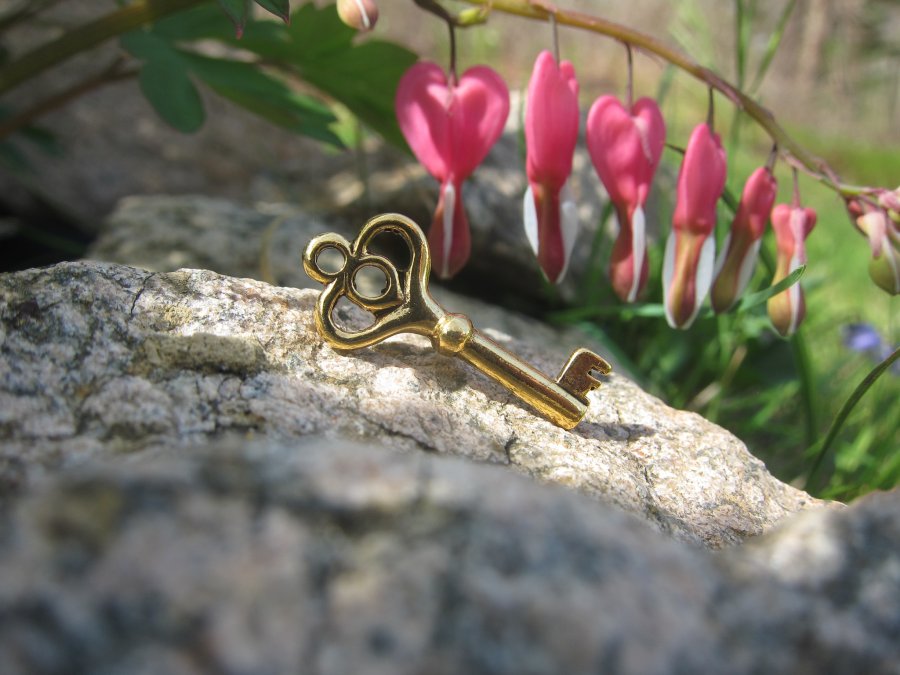
Gold Skeleton Key Lapel Pin on a Rock near Bleeding Heart Flowers.
High Quality Pewter Lapel Pins: What Makes Them Worth the Investment
High quality pewter lapel pins distinguish themselves through material composition, casting technique, and finishing standards. Solid, lead-free fine pewter is the standard for serious craftspeople. It's durable, tarnish-resistant, and takes detail beautifully. The three-dimensional casting process creates surfaces and edges that stamping cannot achieve.
A high quality pewter lapel pin won't fade, crack, or lose its finish after months of wear. The metal develops a natural patina over time that many collectors prefer. This contrasts sharply with cheap alternatives that deteriorate visibly within a season.

LapelPinPlanet exemplifies this standard. Each pin is hand-cast in solid, lead-free fine pewter and signed by artist Jim Clift. This signature isn't a mass-production stamp, it's an artist's endorsement of quality. The family-crafted production process means fewer hands touch each piece, reducing inconsistency.
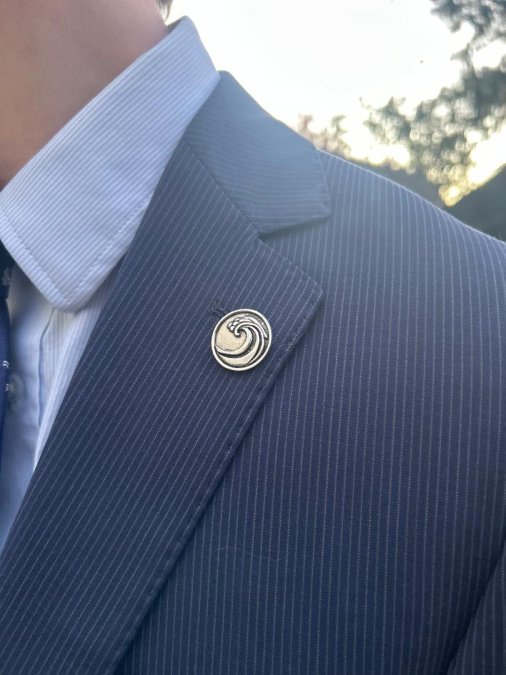
Wave Lapel Pin on a Blue Sports Coat.
The price point of around $11 per pin reflects genuine labor and materials. When compared to cheap alternatives costing $2-3 that last months rather than years, quality offers better long-term value.
Custom Design and Manufacturing: From Concept to Wearable Art
Custom design and manufacturing transforms a lapel pin from accessory into statement. The process begins with a concept, a corporate logo, organizational insignia, or personal artistic vision. The artisan sculpts the design, often at actual size to ensure every detail translates correctly when cast.
The three-dimensional casting process brings concept to reality. The sculptor creates an original model, which becomes the master for mold-making. Molten pewter is poured into the mold, cooled, and hand-finished.
This process matters for organizations and nonprofits. A custom lapel pin becomes your organization's visual identity in miniature, signaling membership, achievement, or affiliation in ways generic pins cannot. Corporate recognition programs, nonprofit fundraising campaigns, and professional associations all benefit from this customization.
The timeline for custom orders typically spans weeks rather than days, a consequence of doing things properly. Most artisans provide revision rounds during the design phase, ensuring your design emerges exactly as intended. Minimum order quantities vary, but many artisans have a minimum order of a few hundred pins because the core labor, sculpting and mold-making, is a labor intensive process, ensuring you get a high quality pin.
How to Style Lapel Pins for Any Occasion
Styling lapel pins requires understanding context and proportion. A handcrafted pewter pin is a sculptural accent that commands attention. Placement matters as much as the pin itself.
For corporate settings, a lapel pin on a blazer jacket signals professionalism and intentionality. Placement on the left lapel, roughly one inch below the notch, is the traditional standard. The pin should sit flat against the fabric without tilting. A business-appropriate pin, something geometric, symbolic, or subtly decorative, complements rather than competes with professional attire.
Casual settings allow more creative freedom. A pin representing a hobby, affiliation, or personal interest works on a jacket, cardigan, or denim shirt. The key is matching the pin's scale to the garment. A large, detailed pin on a lightweight shirt can overwhelm; a smaller design works better. Handcrafted pins come in various sizes, from modest quarter-inch pieces to substantial three-quarter-inch sculptures.
Collectors often wear pins to showcase them. A dedicated pin collection displayed on a jacket or vest communicates passion and expertise. Each handcrafted piece is genuinely interesting to examine, unlike mass-produced pins that blur together.
Avoid over-accessorizing. A single high-quality pin creates impact. Two pins on the same lapel can work if intentionally paired and complementary in scale and style. More than that risks looking cluttered.
Caring for Pewter Jewelry: Maintenance Tips That Preserve Beauty
Caring for pewter jewelry ensures your handcrafted pins remain beautiful for decades. Lead-free fine pewter develops a natural patina over time, a subtle darkening that many collectors appreciate. This is not damage; it's aging.
If you prefer to maintain the original shine, occasional gentle cleaning restores it. Use a soft, lint-free cloth and mild soap with lukewarm water. Avoid abrasive scrubbers or harsh chemicals. Pat dry immediately rather than air-drying.
For deeper cleaning, pewter polish designed for fine metals works well. Apply sparingly, rub gently in circular motions, and buff with a clean cloth. Test any new product on an inconspicuous area first if uncertain.
Storage matters significantly. Keep pins in a dry environment away from direct sunlight, which can fade enamel colors. A dedicated pin display case or storage box with soft lining prevents pins from rubbing against each other. Wrap each pin individually in acid-free tissue if storing with other items.
Avoid wearing pins in environments with excessive moisture or salt spray. If a pin gets wet, dry it promptly. Enamel finishes on quality pins are quite durable and won't chip or peel from normal wear, but avoid scraping or scratching the surface.
Handcrafted Pewter Lapel Pins for Every Purpose
Handcrafted pewter lapel pins serve distinct purposes across personal, corporate, and organizational contexts.
Personal Collections and Keepsakes
Collectors acquire handcrafted pewter pins because each piece is unique and engaging. A personal collection grows over years, often organized by theme, artist, or size. The sculptural quality makes them genuinely interesting to display and discuss.
Keepsakes form another dimension of personal collecting. A pin commemorating a significant event, achievement, or relationship carries emotional weight beyond its material value. Unlike digital memories that fade into phone storage, a physical pin remains visible and tactile. The artist signature adds meaning, when you own a pin signed by Jim Clift or another recognized artisan, you're connecting to that person's creative vision.
Corporate Recognition and Milestone Gifts
Corporate environments benefit from custom lapel pins as employee recognition tools. A pin commemorating tenure, achievement, or milestone creates a lasting symbol of recognition. Unlike certificates that accumulate in drawers, a pin worn publicly signals achievement to colleagues and clients.
The customization aspect matters significantly. A corporate pin bearing company branding or an employee's name becomes a unique artifact. Milestone gifts marking 5, 10, or 25 years of service work particularly well as pins. They're portable, displayable, and durable, an employee can wear their 10-year pin with genuine pride.
Nonprofit Fundraising and Awareness Campaigns
Nonprofits use custom lapel pins as fundraising tools and awareness symbols. A pin supporting a cause becomes a visible statement of support that sparks conversations. The economics work well for nonprofits, a custom pin designed and manufactured in modest quantities (50-100 pieces) costs less per unit than most alternative fundraising merchandise and can be sold at a modest markup.
Awareness campaigns benefit from the visual distinctiveness of handcrafted pins. A handcrafted piece with genuine artistic detail stands out and invites questions, making it an effective awareness tool.
Purpose |
Best Pin Type |
Typical Quantity |
Key Benefit |
|---|---|---|---|
Personal Collection |
Thematic or artist-focused |
1-5 per purchase |
Unique artistry, investment potential |
Corporate Recognition |
Custom branded or achievement-specific |
10-50 pieces |
Lasting symbol, wearable recognition |
Nonprofit Fundraising |
Cause-specific design |
50-200 pieces |
Affordable per-unit cost, awareness impact |
Professional Association |
Membership or insignia pins |
25-100 pieces |
Signals affiliation, community identity |
Verdict: Why Collectors Choose Handcrafted Over Mass-Produced
The choice between handcrafted and mass-produced lapel pins comes down to values and intended use. If you need generic promotional items in bulk, mass production serves that purpose. If you want something that lasts, improves with age, and genuinely reflects artistry, handcrafted is the only option.
Handcrafted pewter lapel pins from makers like LapelPinPlanet represent a different philosophy. Each pin is an individual sculpture, hand-cast in solid, lead-free fine pewter and signed by the artist. This isn't marketing, it's a production reality affecting every aspect of the finished piece. The three-dimensional detail, weight, durability, and uniqueness all flow from this commitment to individual craftsmanship.
The sustainability angle adds meaningful value for conscientious buyers. Handcrafted production using recycled materials and sustainable energy aligns with environmental responsibility. Collectors recognize these distinctions and appreciate the attention to detail, durability spanning decades, and the fact that each pin tells a story of individual creation.
For corporate recognition, nonprofit fundraising, or personal collecting, the investment in quality pays dividends. A pin that remains beautiful and meaningful for years represents better value than cheaper alternatives that deteriorate within months.
Ready to add genuine artistry to your collection or campaign? LapelPinPlanet offers handcrafted pewter lapel pins hand-cast in solid, lead-free fine pewter and signed by artist Jim Clift. Each pin is an original three-dimensional sculpture with attention to detail that mass production simply cannot match. Browse the collection of unique designs, from the Shopping Bag Lapel Pin to the Beyond Your Expectations Lapel Pin, each priced at $11, and discover why collectors worldwide choose handcrafted quality over mass-produced alternatives. Submit your custom design inquiry today, or explore ready-made pieces that make meaningful gifts for individuals, corporations, and organizations.
Frequently Asked Questions
Q: What makes handcrafted pewter lapel pins more valuable than mass-produced alternatives?
A: Handcrafted pewter lapel pins are individually sculpted and cast by artisans, creating unique three-dimensional designs with exceptional detail. Each piece is signed by the artist, making it a collectible item rather than a disposable accessory. Mass-produced pins are typically flat, stamped, or machine-made with minimal artistry. The solid, lead-free pewter used in handcrafted pins is more durable and tarnish-resistant than cheaper metals, ensuring your pin maintains its beauty for decades. Collectors worldwide value handcrafted pins for their artistic merit, craftsmanship, and lasting quality.
Q: How should I care for pewter jewelry to keep it looking new?
A: Pewter is naturally low-maintenance compared to other metals. Store your pins in a cool, dry place away from moisture and direct sunlight to prevent tarnishing. Clean gently with a soft, dry cloth when needed. For stubborn tarnish, use a specialized pewter cleaner or a mixture of mild soap and warm water with a soft brush, then dry immediately. Avoid harsh chemicals, abrasive pads, or immersion in water for extended periods. Lead-free pewter is highly resistant to tarnish, so regular care is minimal. With proper storage and occasional cleaning, handcrafted pewter lapel pins remain pristine for a lifetime.
Q: Are lead-free pewter lapel pins safe for everyday wear?
A: Yes, lead-free pewter lapel pins are completely safe for everyday wear. Solid, lead-free fine pewter contains no toxic materials and meets safety standards for jewelry and accessories. The pins are worn on clothing, not against bare skin, further eliminating any risk. Many collectors wear their handcrafted pins daily without concern. Lead-free pewter is the industry standard for quality lapel pins, making it an excellent choice for personal use, corporate gifts, and children's accessories.
Q: What's the typical timeline for ordering custom handcrafted pewter lapel pins?
A: Custom handcrafted lapel pins require time for design development, sculpting, casting, and finishing. The process involves artist consultation, mold creation, hand-casting, and individual finishing touches. For nonprofits and organizations with tight budgets, minimum order quantities typically start at 50-100 pieces, making them affordable for smaller campaigns.
This article was written using GrandRanker