


Benefits of Recycled Pewter for Jewelry
Table of Contents
- What Makes Recycled Pewter Special for Jewelry
- Lead-Free Pewter Jewelry Safety and Hypoallergenic Properties
- Why Jewelers Choose Pewter: Workability and Design Possibilities
- Pewter vs Sterling Silver for Jewelry: Cost and Durability
- Environmental Impact and Sustainability Benefits
- Caring for Pewter Accessories: Maintenance and Longevity
- Recycled Pewter as an Investment in Artisan Craftsmanship
- Frequently Asked Questions
Last Updated: August 30, 2026
What Makes Recycled Pewter Special for Jewelry
Recycled pewter represents a meaningful shift in how artisans and jewelry designers approach their craft. Unlike virgin metals that require extensive mining and processing, recycled pewter comes from reclaimed industrial scrap, reducing the environmental footprint from the material's inception. This makes the benefits of recycled pewter for jewelry increasingly attractive to conscious consumers and makers alike.
The appeal goes beyond sustainability. Recycled pewter maintains the same desirable properties as newly cast metal: it's soft enough to work with hand tools, malleable enough for intricate detailing, and possesses a naturally tarnish-resistant quality that keeps finished pieces looking refined. At LapelPinPlanet, we've built our entire production process around this material because it allows us to create hand-cast, three-dimensional sculptures that capture fine detail while remaining cost-effective for both artisans and collectors.
What makes recycled pewter particularly special is its low melting point, around 600 degrees Fahrenheit, which means casting requires less energy than working with traditional metals like sterling silver. This thermal advantage translates directly into sustainable manufacturing. The material's ductility allows for complex repousse and chasing work, techniques that create dimensional texture and visual interest impossible with more rigid alloys. When you hold a piece cast from recycled pewter, you're holding evidence of both artistic intention and environmental responsibility.
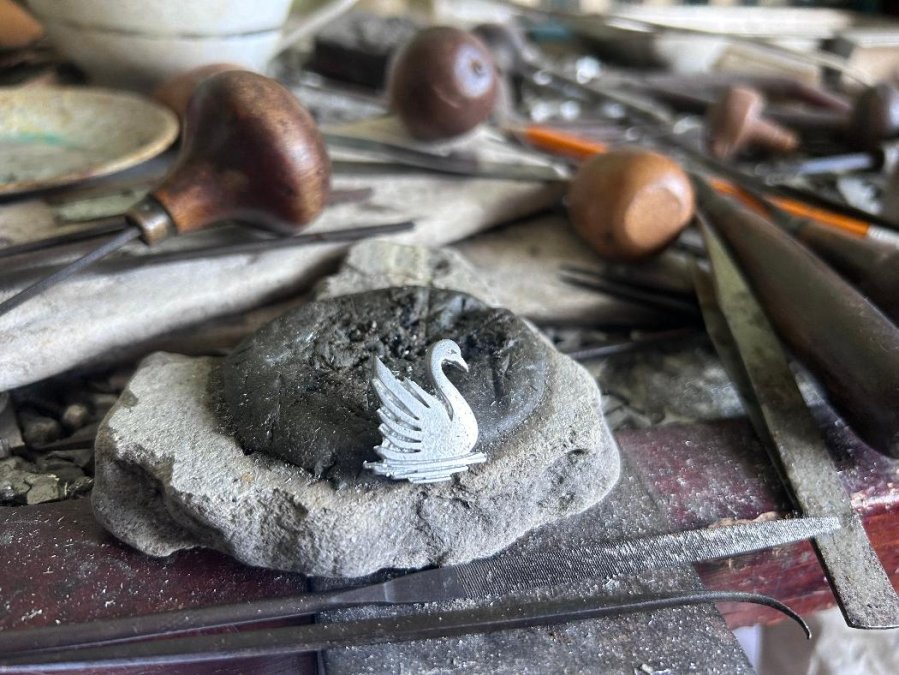
Swan Lapel Pin being hand etched atop a workbench with various tools around used for making the original piece.
Lead-Free Pewter Jewelry Safety and Hypoallergenic Properties
Lead-free pewter jewelry eliminates a concern that plagued older pewter pieces: lead content. Modern pewter formulations, the standard across reputable makers, contain no lead whatsoever, making lead-free pewter jewelry safe for direct skin contact, including for sensitive individuals and children.
The hypoallergenic properties of quality pewter make it an excellent choice for people who react to common jewelry metals. Sterling silver, while beautiful, can trigger reactions in some wearers due to nickel content or copper oxidation. Nickel allergies affect a significant portion of the population, and avoiding triggers matters for long-term wearability. Pewter, by contrast, is composed primarily of tin with small amounts of copper and silver, a combination that rarely causes allergic responses. The lead-free pewter jewelry safety profile is particularly important for corporate gifts, nonprofit fundraising pins, and organizational insignia, where wearers may include people with metal sensitivities.
One often-overlooked aspect: recycled pewter doesn't compromise on this safety profile. The recycling process, melting down scrap, removing impurities, and recasting, actually ensures consistency in alloy composition. Each batch meets the same standards as newly produced pewter. This means a piece made from reclaimed industrial material performs identically to one cast from virgin stock in terms of hypoallergenic properties and durability.
For organizations commissioning custom pins or lapel pins for employee recognition, choosing lead-free pewter jewelry eliminates liability concerns and ensures every recipient can wear their piece comfortably. This is particularly relevant for nonprofits and charities where diversity in the audience means accounting for various sensitivities and preferences.
Why Jewelers Choose Pewter: Workability and Design Possibilities
Pewter's workability is the reason artisans have favored it for centuries. The metal's malleability allows designers to create intricate three-dimensional forms that would be difficult or impossible in harder alloys. Hand-casting pewter requires less force than working with silver or gold, making it accessible to craftspeople who prefer traditional techniques over industrial production.
The low melting point becomes an asset in the studio. Casting can happen with simple equipment, a kiln, molds, and basic safety precautions, rather than the industrial setup required for higher-temperature metals. This accessibility democratizes jewelry design. A small artisan workshop can produce pieces with the same dimensional sophistication as larger operations. The material's viscosity during casting allows molten pewter to fill detailed molds completely, capturing fine line work, texture, and sculptural nuance.
Ductility, the ability to be drawn, bent, and shaped without breaking, opens possibilities for hand-finishing techniques. Engraving, chasing, and repousse work all depend on a metal that responds to hand tools without cracking or requiring repeated annealing. Pewter's response to these techniques is immediate and forgiving. A mistake can often be worked out rather than requiring the piece to be melted down and recast.
The material also accepts patinas and surface treatments beautifully. Oxidation can be controlled to create depth and visual interest, darker tones in recessed areas, brighter highlights on raised surfaces. This natural aging process, combined with hand-finishing, gives each piece character that factory-produced jewelry rarely achieves. When you commission a custom lapel pin or collector's piece, the workability of pewter is what allows the artist to translate intricate designs into three-dimensional reality.
Pewter vs Sterling Silver for Jewelry: Cost and Durability
The comparison between pewter and sterling silver often comes down to two factors: cost and intended use. Sterling silver, 92.5% pure silver with 7.5% other metals, commands a premium price because of silver's market value and the labor-intensive processes required to work with it. Pewter, being primarily tin-based with modest amounts of copper and silver, costs significantly less while delivering comparable visual and tactile results for most applications.
Durability differs between the two, but not always in silver's favor. Sterling silver scratches more easily than pewter and requires regular polishing to maintain its bright finish. Tarnishing, oxidation of the silver content, happens naturally and demands ongoing maintenance. Pewter, by contrast, develops a subtle patina over time but resists the aggressive tarnishing that affects silver. For jewelry meant to be worn frequently and handled casually, pewter's lower-maintenance nature often makes it the more practical choice.
For collector pieces and heirloom-quality work, the distinction matters less. Both materials can last generations. The real difference emerges in the design possibilities and the maker's intent. Pewter's workability allows for sculptural complexity that justifies its use for three-dimensional statement pieces. Sterling silver excels for delicate, refined designs where the material's preciousness reinforces the aesthetic.
From a value perspective, recycled pewter jewelry offers something neither virgin pewter nor sterling silver can match: environmental credentials combined with affordability. A handcrafted piece cast in recycled pewter costs less than an equivalent sterling silver piece while carrying the sustainability story that increasingly matters to conscious buyers. For organizations sourcing custom pins, corporate recognition programs, nonprofit fundraisers, association insignia, this cost-effectiveness without quality compromise is decisive.
Environmental Impact and Sustainability Benefits
The environmental case for recycled pewter begins with source material. Rather than mining new tin, casting jewelry from reclaimed industrial pewter diverts scrap from landfills and reduces extraction pressure on tin reserves. Tin mining carries real environmental costs: habitat disruption, water consumption, and energy-intensive processing. Using recycled material sidesteps these impacts entirely.
The circular economy principle applies directly here. Industrial pewter scrap, off-cuts from manufacturing, defective castings, worn-out components, becomes feedstock for new pieces. This closed-loop approach minimizes waste and reduces the energy required compared to virgin metal production. Melting and recasting recycled pewter demands far less energy than extracting, refining, and initially processing ore.
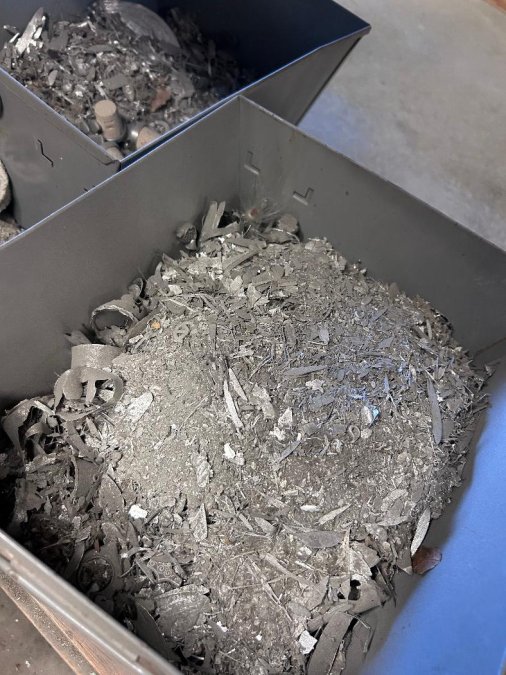
Industrial recycled metal scraps and pewter materials placed aside and prepared in a sustainable workshop environment, with organized bins of reclaimed metal and casting materials visible under workshop lighting
The sustainability benefits extend to the entire production chain. At LapelPinPlanet, our commitment to sustainable manufacturing using recycled materials and sustainable energy means each piece carries a reduced carbon footprint from creation to delivery. This matters to collectors who view their purchases as ethical choices, to nonprofits whose fundraising depends on values alignment, and to corporations whose employee recognition programs reflect organizational commitment to environmental responsibility.
Pewter's low melting point also contributes to environmental efficiency. Less energy is required to reach casting temperature compared to metals that melt at higher temperatures. Over thousands of pieces, this energy difference compounds into meaningful carbon reduction. The material's recyclability, it can be melted and recast indefinitely without degradation, means a pewter piece can theoretically cycle through multiple lives, never becoming waste.
For organizations commissioning custom pins or considering the benefits of recycled pewter for jewelry, the environmental story is substantial. Choosing recycled pewter over virgin metals or more resource-intensive alternatives demonstrates genuine sustainability commitment rather than performative gestures.
Caring for Pewter Accessories: Maintenance and Longevity
Pewter's low-maintenance nature is one of its underrated advantages. Unlike sterling silver, which tarnishes and requires regular polishing, pewter develops a subtle patina that many consider attractive. This natural aging process doesn't diminish the piece's wearability or visual appeal, it adds character.
Basic care for pewter accessories is straightforward. Gentle cleaning with a soft cloth and mild soap removes everyday dust and debris. For pieces with intricate detailing where dirt accumulates, a soft-bristled toothbrush and lukewarm soapy water work well. Avoid harsh chemicals and abrasive scrubbers, which can scratch the surface. This simplicity makes pewter ideal for pieces worn frequently, lapel pins for daily wear, organizational insignia that sees regular use, gifts for people who appreciate beauty without maintenance burden.
Recycled pewter jewelry responds to care identically to newly cast pieces. The recycling process doesn't compromise the material's properties or longevity. A piece cast from reclaimed industrial pewter will age, patina, and maintain its integrity exactly as a piece made from virgin stock would. This consistency means collectors can invest in recycled pewter pieces with confidence that they're acquiring something durable and lasting.
Storage matters for long-term preservation. Keep pewter pieces in a cool, dry environment away from extreme humidity. Wrapping pieces individually in soft cloth prevents unnecessary contact with other items. For valuable collector pieces, acid-free storage materials prevent chemical reactions. Under these conditions, a pewter piece can outlast its owner, becoming a genuine heirloom.
The longevity of well-maintained pewter jewelry makes it an economically sound choice over time. A quality piece cast in recycled pewter may cost less initially than sterling silver, but its durability and minimal maintenance needs often deliver better value over years of ownership and use.
Recycled Pewter as an Investment in Artisan Craftsmanship
Choosing recycled pewter jewelry represents more than a material selection, it's an investment in human skill and artistic intention. Each handcrafted piece reflects the maker's vision, technical ability, and commitment to quality. When you acquire a piece cast in recycled pewter, you're supporting artisans who prioritize sustainability and craftsmanship over mass production.
At LapelPinPlanet, every piece is an original three-dimensional sculpture hand-cast in solid, lead-free fine pewter and signed by artist Jim Clift. This commitment to artist attribution and hand-finishing distinguishes genuine artisan work from factory-produced alternatives. The signature on each piece represents accountability, the maker stands behind their work.
The value of artisan-crafted pewter jewelry extends beyond aesthetics. Collectors increasingly recognize that handmade pieces appreciate in significance over time. They become conversation starters, meaningful gifts, and tangible connections to the maker's skill. A custom lapel pin for corporate recognition or nonprofit fundraising carries weight that generic alternatives cannot match. Recipients understand they've received something made with intention, not churned through industrial processes.
For organizations sourcing custom pins, investing in recycled pewter jewelry means supporting sustainable practices while receiving genuinely distinctive pieces. The benefits of recycled pewter for jewelry include not just material properties and environmental credentials, but the opportunity to commission work that reflects organizational values through every detail, from material choice to artist signature.
The longevity of well-crafted pewter pieces means they often outlive trends and fashion cycles. A beautifully designed piece from today becomes a collectible tomorrow. This staying power, combined with recycled material sourcing and artisan production, positions pewter jewelry as a meaningful investment in both personal aesthetic and broader values.
When organizations and individuals choose recycled pewter for their jewelry needs, they're making a decision that aligns environmental responsibility with quality and artistry. The material's workability allows designers to create dimensional, detailed pieces impossible in more rigid metals. Its hypoallergenic properties ensure broad wearability. Its sustainability credentials reflect genuine environmental commitment. Get started with LapelPinPlanet and discover how hand-cast, lead-free pewter pieces signed by artist Jim Clift combine exceptional craftsmanship with environmental consciousness, delivering distinctive accessories that truly stand out.
Frequently Asked Questions
Is lead-free recycled pewter safe for skin contact?
Yes, lead-free pewter is safe for skin contact and hypoallergenic, making it ideal for jewelry worn directly on clothing or accessories. Modern pewter jewelry contains tin, copper, and silver but no lead, meeting safety standards for wearable items. This composition makes recycled pewter jewelry suitable for people with metal sensitivities.
How does recycled pewter compare to sterling silver in durability?
Recycled pewter is durable and tarnish-resistant, though sterling silver is slightly harder. Pewter's lower melting point and greater malleability make it excellent for intricate detailing and hand-finishing. Both materials age beautifully, but pewter requires less maintenance and resists oxidation better, making it practical for everyday jewelry and lapel pins.
What makes recycled pewter environmentally sustainable?
Recycled pewter reduces mining demands and industrial waste by repurposing scrap metal and industrial byproducts. Using recycled materials decreases the environmental lifecycle impact compared to virgin metal extraction. Sustainable manufacturing processes powered by renewable energy further lower the carbon footprint, supporting circular economy principles in jewelry production.
How do I care for and maintain pewter jewelry?
Pewter accessories are low-maintenance. Clean with a soft cloth and mild soap if needed; avoid harsh chemicals. Store in a dry place to prevent oxidation. Pewter's natural tarnish-resistant properties mean it won't require frequent polishing like silver. Hand-finishing and engraving details stay sharp longer due to pewter's workability and durability.
This article was written using GrandRanker