


Why Choose Artist-Signed Lapel Pins: A 2026 Guide
Table of Contents
- Why Artist-Signed Lapel Pins Matter
- How to Identify High-Quality Lapel Pins
- Collectible Lapel Pin Value and Investment Potential
- Artist-Signed Pins in Professional and Corporate Settings
- Unique Gift Ideas for Pin Lovers
- Caring for Your Artist-Signed Pins
- Frequently Asked Questions
Last Updated: August 31, 2026
Why Artist-Signed Lapel Pins Matter
Artist-signed lapel pins are original three-dimensional sculptures cast in solid, lead-free fine pewter, each one signed by the artist who created it. They represent genuine craftsmanship rather than mass-produced inventory. The artist's signature carries provenance, transforming a simple accessory into wearable art with documented authenticity. Unlike generic factory pins, signed pieces tell a story about the hand that shaped them.

Years of Service Lapel Pins
What separates artist-signed pins is the intention behind them. An artist's signature represents accountability for quality, originality, and attention to detail. For collectors, this signature becomes the first marker of value. For corporate clients recognizing employees or organizations fundraising for causes, it signals that you've chosen something meaningful rather than settling for commodity merchandise.
Corporations use artist-signed pins for employee recognition because they communicate genuine appreciation. Nonprofits use them for fundraising campaigns because donors respond to handcrafted authenticity. Collectors pursue them because artist-signed pieces can appreciate in value over time, especially limited editions with documented provenance.
How to Identify High-Quality Lapel Pins
High-quality lapel pins share consistent characteristics that separate them from cheaper alternatives. The first marker is material composition: solid, lead-free fine pewter resists corrosion and maintains its finish for decades. The second is three-dimensional depth. Mass-produced pins are typically flat stamped designs, while artist-signed pins are hand-cast sculptures with genuine dimension that create visual impact and tactile satisfaction.
Craftsmanship reveals itself in fine details. Look at how the artist has defined edges, created texture, and achieved proportion. Quality pins show no rough casting seams, no unfinished surfaces, and no evidence of shortcuts. The enamel work should be smooth and evenly applied. The pin backing should be secure and well-finished.
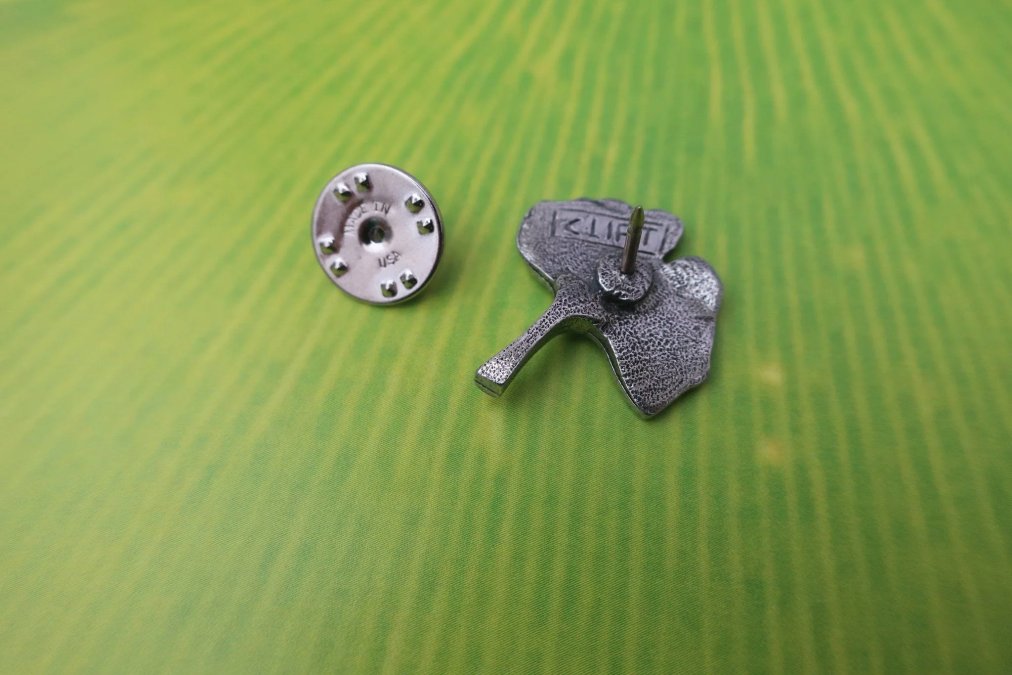
Close-up of a gingko leaf lapel pin showing the artists signature, ‘CLIFT’
Artist signatures confirm the maker and make authentication straightforward. A clear, legible signature on the back should be consistent with the artist's known work. This is where provenance documentation becomes essential, connecting the physical pin to the artist's body of work and sales history.
The pin backing system also indicates quality. High-quality pins use clutch backs or butterfly backs that hold securely without damaging clothing. Cheap pins often use thin posts that bend or backs that fail after minimal use.
Collectible Lapel Pin Value and Investment Potential
Artist-signed lapel pins have developed a genuine secondary market over the past two decades. Value appreciation depends on several factors: artist reputation, edition size, age of the piece, condition, and documented provenance.
Limited edition pins can appreciate more predictably than open editions. When an artist produces only a certain number of copies of a design, scarcity can create demand among collectors. As time passes and pieces wear out or get lost, the available supply shrinks further, potentially pushing prices upward. First editions of popular designs often command premiums simply because they were created earliest and are harder to find.
Artist reputation drives the secondary market. Pins by established artists with large collector followings can appreciate faster than work by emerging artists. As the artist's reputation grows, earlier pieces become more sought after.
Condition matters substantially. A pin that's been worn regularly but maintained carefully will retain more value than one that's been stored improperly and shows oxidation or enamel damage.
Authentication and Provenance
Provenance is the documented history of ownership and creation. For collectible pins, provenance answers critical questions: When was this piece made? How many copies were produced? What was the original price? A pin with clear provenance can command higher prices because collectors can verify its authenticity and significance.
Authentication begins with the artist signature. Compare the signature on your pin to known examples of that artist's work. Legitimate artists maintain consistent signature styles. Many artists also maintain records of their work, edition numbers, production dates, and design names that allow collectors to verify pieces.
Documentation strengthens provenance. Original purchase receipts, artist certificates, or published catalogs that reference a piece all increase its documented value. This paper trail becomes part of the pin's story and significantly impacts resale value.
Secondary Market Trends
The secondary market for artist-signed pins has grown steadily as collector communities have organized online. Dedicated forums, social media groups, and specialized marketplaces have created transparent pricing information. Limited edition pins tend to appreciate, depending on artist reputation and condition. This is steady, predictable growth driven by scarcity and collector demand.
Emerging artists' work appreciates more slowly but sometimes dramatically once the artist gains recognition. Collectors who purchased early pieces by now-famous artists at original prices often see substantial returns.
Artist-Signed Pins in Professional and Corporate Settings
Corporations have discovered that artist-signed lapel pins communicate values more effectively than generic corporate merchandise. When you present an employee with a handcrafted, three-dimensional pin to recognize five years of service, you're signaling that the recognition is genuine and meaningful.
LapelPinPlanet's Years of Service Lapel Pins exemplify this approach. Each piece is hand-cast in solid, lead-free pewter and signed by the artist, making the recognition tangible and lasting. Employees keep these pins, display them, wear them, they become conversation starters rather than drawer clutter.
Professional associations and clubs use artist-signed pins as membership insignia. The pins signal affiliation, achievement, and belonging. When members wear them, they're representing not just the organization but the quality standards that membership represents.
Nonprofits and charities increasingly use artist-signed pins for fundraising campaigns. The pins serve multiple purposes: they're thank-you gifts for donors, they're wearable badges of support, and they're collectible items that appeal to donors who appreciate craftsmanship. A donor who receives a handcrafted pin is more likely to display it prominently and tell others about the organization.
Unique Gift Ideas for Pin Lovers
For collectors and enthusiasts, artist-signed pins represent the ideal gift. They're thoughtful without being impersonal, collectible without requiring specialized knowledge to appreciate, and beautiful enough to display prominently.
Start by understanding what designs resonate with your recipient. Some collectors focus on specific themes: animals, symbols, inspirational words, or artistic styles. Others collect by artist, seeking everything a particular creator has produced. A gift that aligns with an existing collection is infinitely more valuable than a random pin.
Limited editions make exceptional gifts for serious collectors. When you give someone a pin from an edition of 250 or fewer, you're giving them something they might not easily find elsewhere. This rarity transforms the gift into a meaningful addition to their collection.
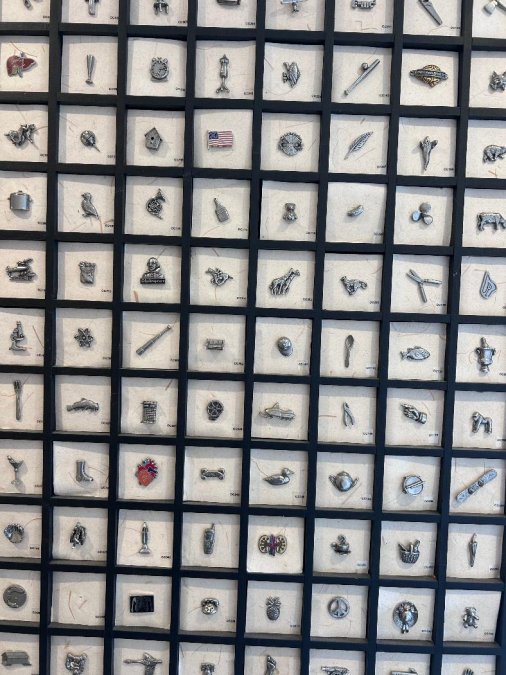
A curated collection of artist-signed lapel pins displayed on a canvas board, showing variety of three-dimensional designs in different colors and themes, with soft natural lighting creating shadows that highlight the sculptural depth
The Achieve Lapel Pin works beautifully as a gift for someone celebrating a milestone. Hand-cast in solid pewter and signed by the artist, it's substantial enough to feel like a genuine achievement marker. Recipients typically display these pins prominently because they represent something meaningful.
For someone you wish to show appreciation to, the Thank You Lapel Pin serves as an excellent choice. It's visually striking, thematically universal, and hand-crafted with the same attention to detail as more specialized designs.

Thank You Lapel Pin
Caring for Your Artist-Signed Pins
Proper care ensures that artist-signed pins maintain their appearance and value for decades. Solid pewter is remarkably durable and forgiving. Store pins in a cool, dry environment away from direct sunlight. Prolonged sun exposure can fade enamel colors, and humidity accelerates oxidation.
When wearing your pins regularly, avoid contact with harsh chemicals, perfumes, or cleaning products. Remove pins before swimming or showering, as chlorine and salt water are particularly damaging to pewter surfaces. If a pin gets wet, dry it promptly with a soft cloth.
Cleaning is straightforward. A soft, dry cloth removes dust and light surface marks. For deeper cleaning, use a damp cloth with mild soap and water, then dry immediately. Never use abrasive cleaners or harsh chemicals. If oxidation develops, gentle rubbing with a soft cloth often restores the shine.
The clutch back or butterfly back should be checked periodically to ensure it holds securely. If a back becomes loose or damaged, it can be replaced.
Artist-signed lapel pins offer something mass-produced accessories cannot: authentic craftsmanship, documented provenance, and genuine artistic expression. Whether you're building a collection, recognizing employees, or selecting a meaningful gift, these pieces deliver lasting value. At LapelPinPlanet, every pin is hand-cast in solid, lead-free fine pewter and signed by the artist Jim Clift, ensuring you're investing in quality that will be appreciated for years to come. Explore our collection of artist-signed designs and discover why collectors worldwide choose handcrafted pins that truly stand out.
=== FAQ ANSWERS (audit these too, same rules) ===
[1] Q: What makes artist-signed lapel pins more valuable than standard pins? A: Artist-signed lapel pins carry the creator's mark, authenticity guarantee, and personal artistic vision. Each piece is an original three-dimensional sculpture hand-cast in lead-free fine pewter and signed by the artist, making it wearable art rather than mass-produced merchandise. This originality, combined with limited production runs and careful craftsmanship, can create collectible value that standard pins lack.
[2] Q: How do I verify the authenticity of a signed lapel pin? A: Authentic artist-signed lapel pins include the artist's signature on the back of the piece, documentation of provenance from the creator, and consistent quality markers like proper material composition and finishing. Check for the artist's name clearly marked, request a certificate of authenticity when available, and purchase from established creators with a verifiable history. Examine the pin's weight, metal quality, and detail work, hand-cast pieces show individual variations that mass-produced pins lack.
[3] Q: Are artist-signed lapel pins considered fine art or accessories? A: Artist-signed lapel pins occupy a unique space as wearable art. They function as fashion accessories and professional insignia while maintaining the artistic integrity and craftsmanship of fine art. The three-dimensional sculptural design, artist signature, and limited edition production elevate them beyond typical fashion accessories into the collectible art category, making them suitable for both personal wear and gallery-quality display.
[4] Q: Do signed lapel pins appreciate in value over time? A: Limited-edition artist-signed pins can appreciate, particularly as the artist's reputation grows and production runs become scarcer. Secondary market demand from collectors drives value increases for discontinued designs and early releases. Factors affecting appreciation include artist recognition, production quantity, condition, provenance documentation, and collector demand. While not guaranteed like traditional investments, well-maintained signed pins from established artists have shown consistent collector interest.
Frequently Asked Questions
Q: What makes artist-signed lapel pins more valuable than standard pins?
A: Artist-signed lapel pins carry the creator's mark, authenticity guarantee, and personal artistic vision. Each piece is an original three-dimensional sculpture hand-cast in lead-free fine pewter and signed by the artist, making it wearable art rather than mass-produced merchandise. This originality, combined with limited production runs and careful craftsmanship, can create collectible value that standard pins lack.
Q: How do I verify the authenticity of a signed lapel pin?
A: Authentic artist-signed lapel pins include the artist's signature on the back of the piece, documentation of provenance from the creator, and consistent quality markers like proper material composition and finishing. Check for the artist's name clearly marked, request a certificate of authenticity when available, and purchase from established creators with a verifiable history. Examine the pin's weight, metal quality, and detail work—hand-cast pieces show individual variations that mass-produced pins lack.
Q: Are artist-signed lapel pins considered fine art or accessories?
A: Artist-signed lapel pins occupy a unique space as wearable art. They function as fashion accessories and professional insignia while maintaining the artistic integrity and craftsmanship of fine art. The three-dimensional sculptural design, artist signature, and limited edition production elevate them beyond typical fashion accessories into the collectible art category, making them suitable for both personal wear and gallery-quality display.
Q: Do signed lapel pins appreciate in value over time?
A: Limited-edition artist-signed pins can appreciate, particularly as the artist's reputation grows and production runs become scarcer. Secondary market demand from collectors drives value increases for discontinued designs and early releases. Factors affecting appreciation include artist recognition, production quantity, condition, provenance documentation, and collector demand. While not guaranteed like traditional investments, well-maintained signed pins from established artists have shown consistent collector interest.
This article was written using GrandRanker