


Sustainable Manufacturing for Lapel Pins: A 2026 Guide
Table of Contents
- What Sustainable Manufacturing for Custom Pins Really Means
- The Environmental Impact of Lapel Pin Manufacturing
- Benefits of Recycled Pewter for Jewelry and Pins
- Eco-Friendly Enamel Pin Alternatives: What to Choose
- How to Verify Sustainable Manufacturing Claims
- Durability vs. Sustainability: Finding the Balance
- Packaging and End-of-Life Disposal for Custom Pins
- Conclusion: Making an Eco-Conscious Choice
- Frequently Asked Questions
Last Updated: September 9, 2026
What Sustainable Manufacturing for Custom Pins Really Means
Sustainable manufacturing for custom pins is the practice of producing badges and lapel pins using recycled inputs, low-energy processes, and non-toxic finishes to minimize environmental impact. It is a shift away from virgin metal extraction and high-emission electroplating toward a circular approach that values material reuse and waste reduction. For buyers, this translates into pins that carry a smaller carbon footprint without sacrificing the detail that makes a lapel pins design worth wearing.
Most guides treat sustainability as a single checkbox, but the reality is more layered. The choice of metal, the casting method, the plating chemistry, and even the packaging all factor into the final environmental cost. At LapelPinPlanet, we focus on hand-casting in solid, lead-free fine pewter made from recycled materials, and we have powered our workshop with 100% renewable electricity since June of 2004. Understanding these distinctions helps you ask better questions of any supplier, whether you are ordering for a corporate milestone or a nonprofit fundraiser.
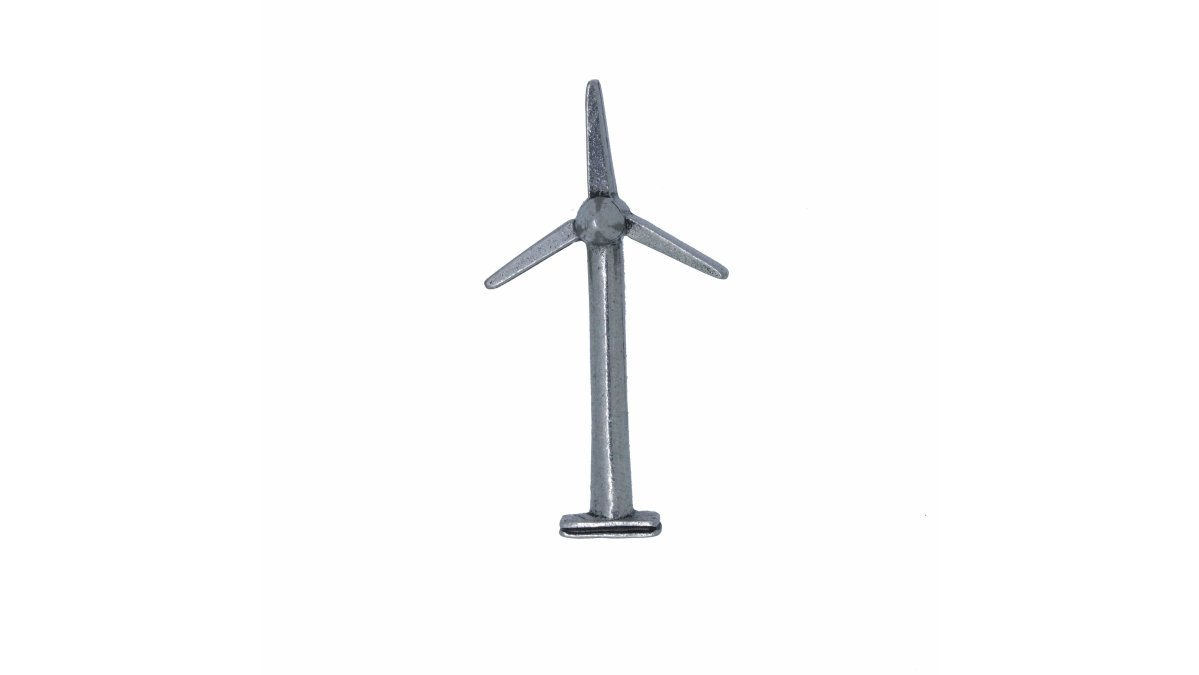
Close up of Lapelpinplanet’s Wind Turbine Lapel Pin.
The Environmental Impact of Lapel Pin Manufacturing
The environmental impact of lapel pin manufacturing is often hidden in two places: the source of the raw metal and the energy used to shape it. Traditional die-struck pins begin with virgin brass or iron, which requires mining, smelting, and refining, all energy-intensive steps that generate significant scrap and emissions. The alternative is starting with post-consumer waste or recycled scrap, which sidesteps the most damaging stages of extraction entirely.
Traditional Materials vs. Recycled Inputs
Virgin metal production carries a heavy toll, whereas recycled inputs dramatically reduce the demand for new mining. Common recycled options include zinc alloy, recycled iron, and aluminum, each with distinct properties for badge production. For jewelry-grade pieces, recycled pewter offers an excellent balance: it casts at lower temperatures than brass, which reduces energy consumption, and it accepts fine detail well.
Energy Use in Production
Energy use is the second major variable. Die-cast and die-struck methods typically require high-temperature furnaces and heavy stamping equipment. Low energy manufacturing approaches, such as hand-casting smaller batches at lower temperatures, reduce the overall carbon footprint. When a producer pairs recycled material with renewable energy, the savings compound, making the finished pin measurably greener than a conventionally produced equivalent.
Benefits of Recycled Pewter for Jewelry and Pins
The benefits of recycled pewter for jewelry and pins extend beyond environmental virtue into practical performance. Recycled pewter is solid and lead-free, making it safe for everyday wear, and it resists tarnishing better than many base metals. Because it casts at a lower temperature than brass or steel, it consumes less energy during production while still capturing intricate, three-dimensional detail that flat enamel pins cannot achieve.
Durability is the other quiet advantage. A hand-cast pewter pin with a military-style clasp back will hold up to daily wear on a coat or bag for years, whereas soft enamel pins can chip or fade. Choosing a material that lasts is itself a sustainability decision: a pin that remains in rotation for a decade keeps a dozen disposable alternatives out of a landfill. For eco-conscious branding, this combination of longevity and recycled content is hard to beat.
Eco-Friendly Enamel Pin Alternatives: What to Choose
Eco-friendly enamel pin alternatives are not limited to metal swaps; the finish and backing matter just as much. Traditional enamel pins often use solvent-based paints and electroplated finishes that introduce toxic chemicals. Water-based paint and non-toxic finishes avoid those hazards while still delivering vibrant color. For the base, FSC-certified wood and recycled acrylic offer renewable or repurposed options, though they lack the weight and permanence of metal.
Material |
Recycled Content |
Durability |
Best For |
|---|---|---|---|
Recycled Pewter |
High |
Excellent |
Sculptural, long-wear designs |
Recycled Iron / Zinc Alloy |
Medium |
Good |
Budget-friendly die-struck pins |
FSC-Certified Wood |
Renewable |
Moderate |
Lightweight, natural aesthetics |
Recycled Acrylic |
High |
Moderate |
Bold color, low cost |
The trade-off is straightforward: metal alternatives like recycled pewter offer superior durability and a premium feel, while wood and acrylic appeal to buyers prioritizing a specific look. A common mistake is assuming all "eco" pins are equal. Check the material composition and the finish type before ordering, because a pin with a recycled base but a toxic plating undermines the entire purpose.
How to Verify Sustainable Manufacturing Claims
Verifying sustainable manufacturing claims requires more than reading a product description. Greenwashing is common, so buyers should ask for specifics about material sourcing, energy use, and finishing chemistry. A supplier committed to sustainable sourcing should be able to explain where their metal comes from and whether they use recycled scrap, post-consumer waste, or virgin ore.
Supply Chain Transparency Questions
Ask these questions before committing to an order:
- What percentage of your metal is recycled, and can you document the source?
- Do you use water-based paint or solvent-based enamels?
- What type of energy powers your casting and finishing equipment?
- Are your finishes lead-free and non-toxic?
- Can you provide details on your waste reduction practices?
A producer that cannot answer these is likely relying on virgin materials and conventional methods. Supply chain transparency is the clearest signal of genuine commitment, so treat vague answers as a red flag rather than a minor omission.
Durability vs. Sustainability: Finding the Balance
Durability vs. sustainability is a false choice when the material is chosen correctly. A common worry is that eco-friendly pins will wear out faster than traditional ones, forcing a replacement that negates the environmental savings. In practice, recycled pewter is just as strong as virgin pewter, so buyers do not sacrifice longevity when they choose recycled inputs.
The real durability risk comes from cheap plating and soft enamel finishes, which can wear off within months regardless of the base material. A hand-cast pin with an unplated, solid metal surface avoids that failure mode entirely. For corporate clients concerned about professional appearance, a sculptural pewter pin reads as distinctive rather than casual, and it maintains its finish far longer than a mass-produced alternative.
Packaging and End-of-Life Disposal for Custom Pins
Packaging sustainability is the final frontier that most custom pin guides overlook. A recycled metal pin shipped in a plastic-lined pouch and foam insert undermines the entire effort. Look for suppliers who use minimal, recyclable packaging, such as cardboard backers like LapelPinPlanet uses, and ask whether they offer bulk shipping options to reduce per-unit waste.
End-of-life disposal matters just as much. Pewter and other metals are infinitely recyclable, so a worn or unwanted pin can be returned to the material stream rather than sent to a landfill. This aligns with circular economy principles, where the pin's value persists through multiple lifecycles. When you choose a metal pin over a mixed-material plastic one, you preserve the option of recycling at the end of its useful life.
Conclusion: Making an Eco-Conscious Choice
Sustainable manufacturing for custom pins is achievable, but it demands scrutiny at every stage, from raw material to packaging. The most straightforward path is to select a supplier that uses recycled metal, renewable energy, and non-toxic finishes, then verify those claims with pointed questions.
LapelPinPlanet meets that bar with hand-cast, lead-free fine pewter pins made from recycled materials and powered by renewable electricity since 2004. Each piece is an original sculpture signed by artist Jim Clift, offering the durability and detail that eco-conscious buyers expect. Whether you need pins for a corporate event, a nonprofit fundraiser, or a personal gift, explore the LapelPinPlanet collection of renewable energy lapel pins to see how sustainable craftsmanship looks in practice. For a wind turbine or solar-themed pin that celebrates clean energy, the Wind Energy Lapel Pin is a fitting starting point. Get started with LapelPinPlanet and order pins that reflect your values without compromising on quality.

Frequently Asked Questions
Why choose recycled pewter for custom lapel pins?
Recycled pewter reduces the demand for newly mined metals, lowering the environmental impact of custom pins. It also offers the same durability and detail as virgin pewter. Choose lead-free recycled pewter for safety and sustainability. The benefits of recycled pewter for jewelry include a smaller carbon footprint and support for circular economy principles, all while maintaining a high-quality, premium finish.
How does sustainable manufacturing reduce the environmental impact of custom pins?
Sustainable manufacturing for custom pins reduces environmental impact by using recycled materials like pewter, which cuts down on mining waste and energy use. Facilities powered by renewable energy sources further lower the carbon footprint. Water-based, non-toxic finishes and eco-friendly packaging also minimize pollution. These practices together conserve resources and support a cleaner production cycle for custom pin manufacturing.
What are eco-friendly enamel pin alternatives to traditional options?
Eco-friendly enamel pin alternatives include pins made from recycled pewter, recycled acrylic, or FSC-certified wood. Instead of traditional enamel paints, look for water-based or non-toxic finishes. Choosing die-struck or die-cast processes with recycled metals reduces waste. These sustainable materials offer a unique look while being better for the planet, giving you an eco-conscious branding option without sacrificing quality.
How long will a sustainably made pewter pin last?
A sustainably made pewter pin is highly durable and built to last for years. Solid, lead-free pewter resists corrosion and wear, so the finish won't flake off like cheaper plated pins. The hand-cast process creates a solid piece, not a hollow shell. With proper care, your pin can become a lasting collectible, proving that durability and sustainability go hand in hand.